
SPIRE
What Is SPIRE
SPIRE is an educational initiative by NEAD Foundation. SPIRE stands for “Social Action for Innovative Progress, Research & Education.” Main aim of SPIRE is spelled out in its name. SPIRE is an initiative to harness available resources to find new solutions in education and health sectors.

When did SPIRE begin working in the education sector
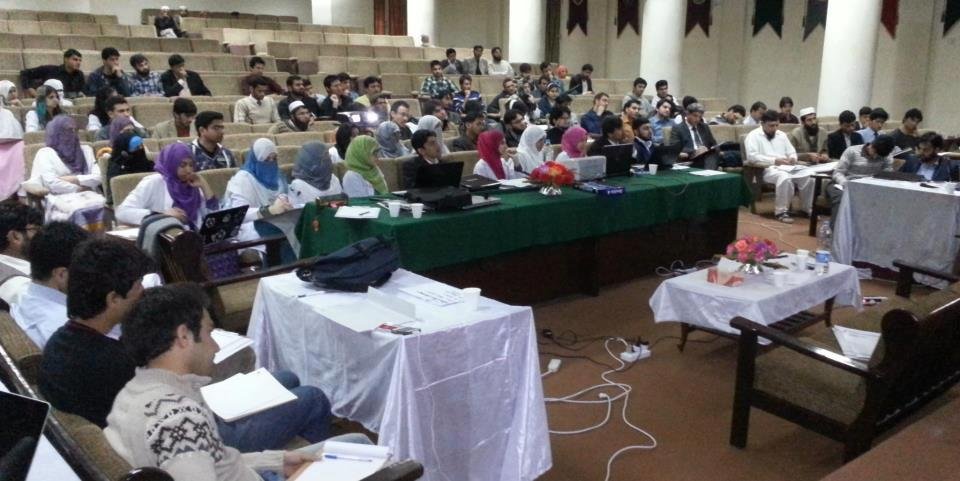
SPIRE started as an independent initiative back in 2016. It was felt for a long time that the current situation of national academia could only be improved if focus was shifted to younger levels of education and investment was made in undergraduate, rather than post graduate education. This thought process gave rise to two initiatives by a group of young doctors and their teachers in 2013. These initiatives were Society for Undergraduate Medical Research, SUMR and Society for Undergraduate Research and Education, SURE. SUMR and SURE worked tirelessly for five years raising awareness and highlighting the need to learn and educate our undergraduate students in skills required for critical thinking and ethical research. SUMR is the only non-profit society who conducted research workshops in almost all the medical colleges of KP between 2013 till 2018. SUMR and SURE can be called the “Parents” of SPIRE.
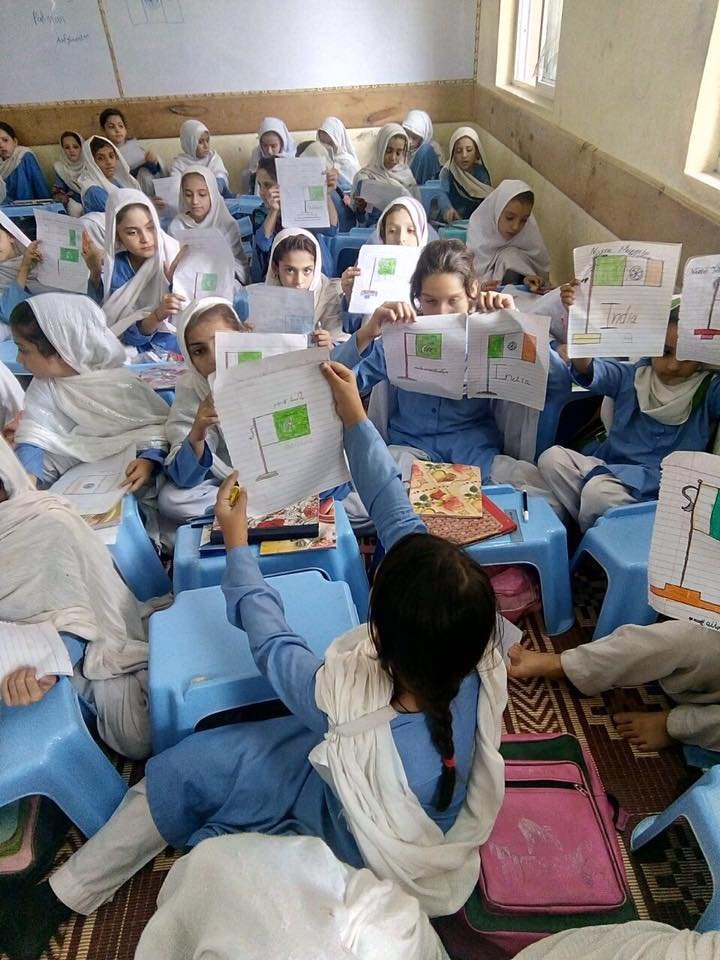
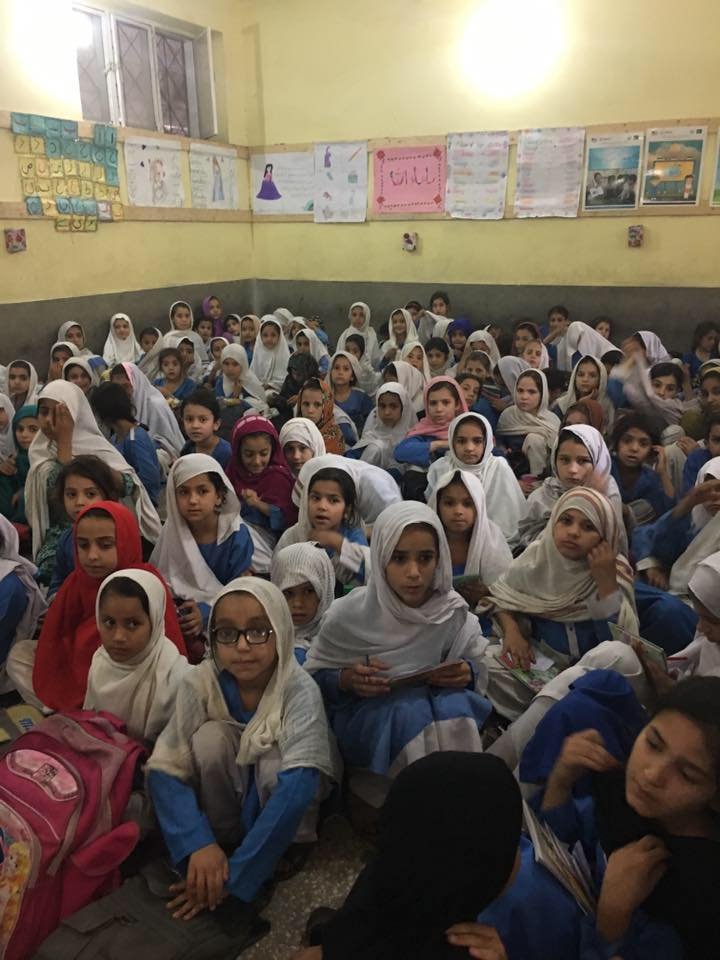
We collaborated with SUMR, the Society for Undergraduate Medical Education and SURE, the Society for Undergraduate Research and Education. The fundraising and planning was spearheaded by Dr. Afshan Khattak and Late Ms. Afsah Faisal. First project by SPIRE was titled, “One World Classroom”. This was a 100-days long educational innovation and intervention project in Government Girls Primary School in Wazir Bagh, Peshawar City. A full curricular update, teacher training, school furnishing and provision of stationary and supplies was undertaken at a cost of 3.5 lac rupees by the project leads. An astounding 350 girls under the age of 12 years were taught by five government sector teachers. SPIRE team offered three salaried teachers who taught an international curriculum developed in Brazil by the name of “One World Classroom”. The curriculum placed special emphasis on Geography, Languages, Communication and Vision development among children.
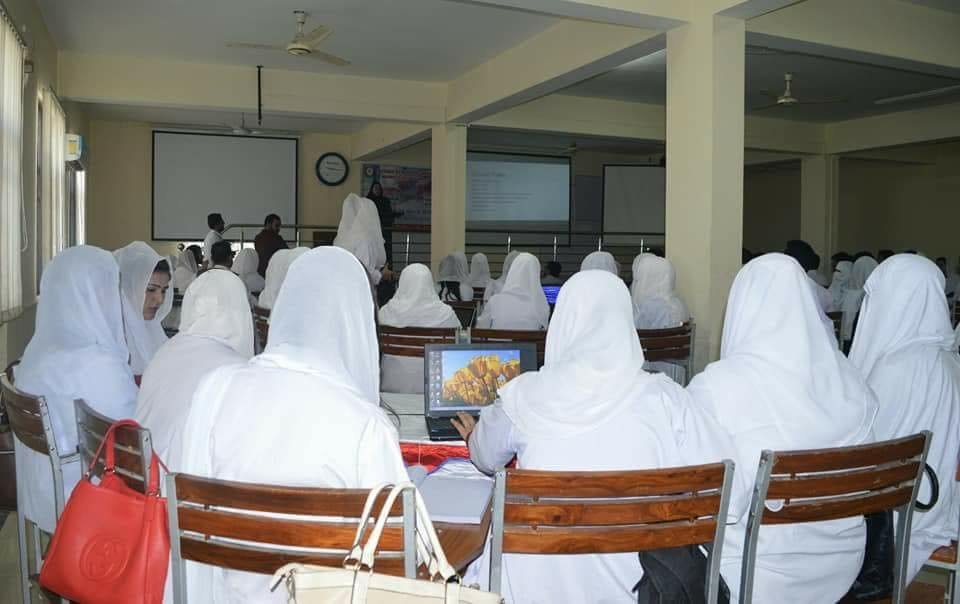
Academic Portfolio of Dr. Afshan H. Khattak
Director, SPIRE
The Institutional Representatives Enrolled
- Dr. Farida Sheerazi, FCPS Pediatrics farida_sherazi@hotmail.com and Dr. Irum Naz, FCPS Pediatrics irum120@gmail.com from Naseer Teaching Hospital, Peshawar.
- Dr. Saima Bibi, FCPS Pediatrics drsaima79@yahoo.com from Ayub Medical College, Abbottabad.
- Prof. Iftikhar Qayyum from iftikhar.qayum@rmi.edu.pk from Rehman Medical Institute, Peshawar.
- Dr. Khushal Khan Khattak, FCPS Pediatrics and Pediatric Cardiologist, kkkhattak67@hotmail.com from MMC, Peshawar.
- Dr. Khalil Ahmad, FCPS Pediatrics, drkhalilqasmi@gmail.com and drkhalil_86@yahoo.com from Mardan Medical Complex, Mardan.
- Dr. Habib ur Rahman, FCPS Pediatrics, drhabibkmc135@gmail.com and Dr. Ikramullah, Pediatric Cardiologist from Saidu Teaching Hospital, Swat.
- Dr. Zia ur Rahman, FCPS Pediatrics & Pediatric Cardiology, drziau@yahoo.com from Afridi Medical Complex, Peshawar.
We are still working hard to involve more institutions so that the resulting database is representative of the real pediatric population of KP, as much as possible.
FAQ's
SPIRE-HEART is the first ever collaborative study of its kind in Pakistan. There is no record of any similar study performed in any province till date. As explained in the purpose of study, SPIRE-HEART aims to develop a working database of children with acquired myocarditis. We all know that these children face a 70-80% mortality in our tertiary care hospitals. One major reason for this is lack of unified protocols and case data sharing that leads to treating these children without any evidence base from our own patient population. Apart from this massive benefit to the patients, SPIRE-HEART will provide monthly teaching sessions to the participants on topics from cardiology, emergency care and research
SPIRE-HEART is a project of SPIRE, Social Action for Progressive Innovation, Research and Education. SPIRE is supported by NEAD Foundation, a private organization based in Karachi, Islamabad, Azad Kashmir and Peshawar. https://neadfoundation.com/
NEAD is a humanitarian foundation with emphasis on education and development. SPIRE will appear on the web page of NEAD, once all the collaborators are finalized and MOUs received. NEAD has no financial or material interest or stakes in SPIRE. SPIRE is a purely educational initiative with the aim to develop collaborative networks of professionals who are dedicated to problem solving and progress in their respective fields.
Since we are all medics in this group, allow me to explain the “FRINGES” we consider important. We grew up thinking that a project or an NGO initiative must come with hotel stays, travel allowances and expensive food. How many of those initiatives do we remember being useful for our children? Today, twenty years after attending so many of these initiatives, what results do we have to show for our work? So, the fringe benefits of SPIRE are three; One: Readily available academic and research mentorship to produce local evidence based guidelines for life threatening disease in our children. Two: To publish our data in international literature to put the names of our institutions on the world map for research. Three: To pool our data to be able to communicate confidently on national and international forums when we speak of diseases in our children.
